It's like all our hard work goes out the window during the holidays," a mother shared recently, her voice heavy with both worry and guilt.
"Last night at Grandma's, my normally easy-going four-year-old had an epic meltdown at bedtime. I get it - different house, exciting day, family everywhere. But I feel torn between maintaining our routines and letting him enjoy special moments. When I tried to start our usual bedtime routine, my mother-in-law kept saying 'It's the holidays! Let him stay up!' Now I'm second-guessing everything we've worked so hard to establish."
This story captures what many of us face during the holiday season: the delicate balance between maintaining essential routines and embracing holiday magic.
When every day brings special activities and breaks from the norm, how do we help our children navigate transitions without constant power struggles? 😅
This December, I'm excited to bring you a special holiday series focused on maintaining balance at home during this time of the year. Each week, we'll tackle a different challenge, providing you with practical strategies rooted in child development and connected parenting principles.
In this first issue of the series, we'll explore:
- Why transitions become especially challenging during the holiday season
- How to maintain essential routines while accommodating special activities
- Specific scripts for common holiday scenarios
- Solutions for managing family dynamics around routines

Part 1: Understanding the WHY
Before we dive into solutions, let's understand why children's behavior often intensifies during holiday transitions:

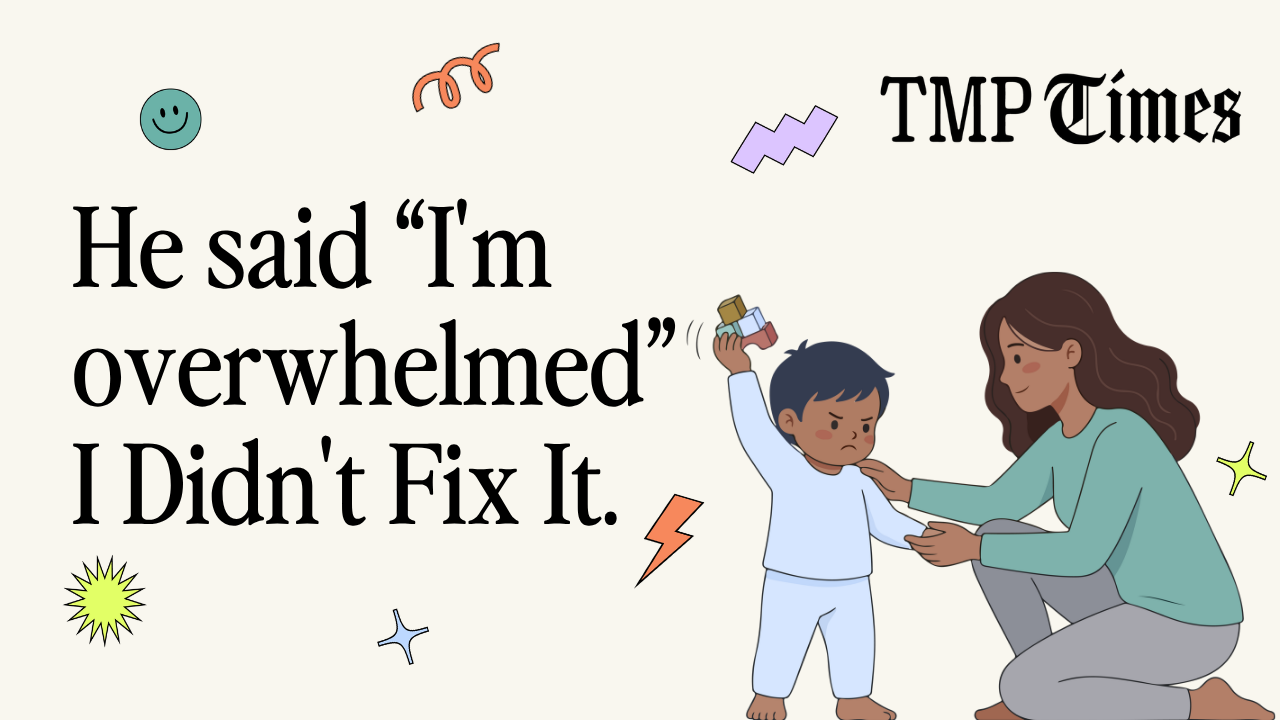
Their developing nervous systems struggle to process this increased stimulation. What we see as "bad behavior" is often their brain's way of communicating "I'm overwhelmed and need help regulating."
Key Principles to Remember:
- Predictability creates safety. When everything else feels chaotic, knowing what comes next helps children feel secure.
- Children can't regulate what they can't anticipate. Advanced warning about transitions becomes even more crucial during holidays.
- Big emotions often mask underlying needs. Holiday meltdowns usually signal a need for connection and co-regulation.
- Flexibility within structure works better than no structure at all.

Part 2: Your Holiday Transition Toolkit
In this section, I’ll share practical strategies and tools to help you maintain essential routines during this busy holiday season. The goal ere is to focus on creating structure and predictability during a time when schedules are often disrupted.
Morning Transitions:
Tip 1: Create a Visual Schedule
A holiday-themed calendar can help children understand and anticipate upcoming events. This visual aid reduces anxiety and helps them feel more in control of their day.
[🔓This article is for premium members. Not a premium member yet? Start your free 7-day trial now. ⤵]