During a recent coaching call, a dad shared something that made my heart sink because I knew exactly what he was going through.
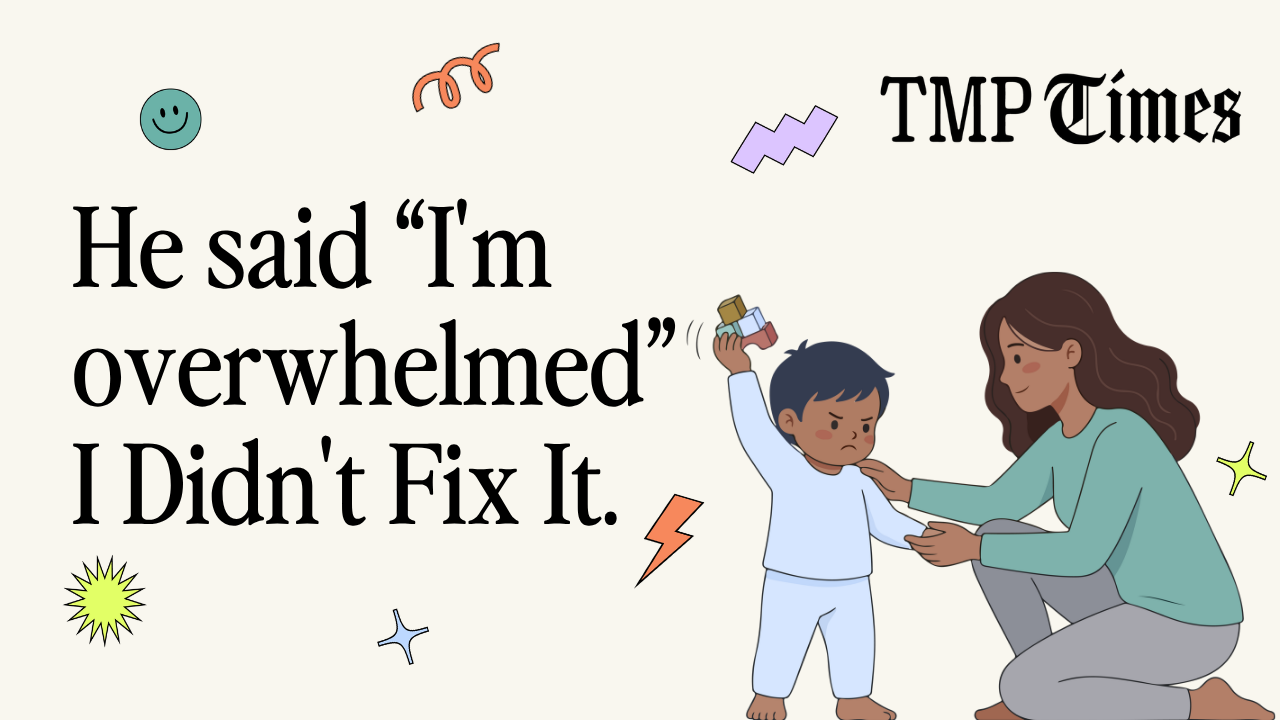
His 5-year-old son was having explosive tantrums at home over things like wanting a second helping of dessert. Full-on screaming, stomping, demanding behavior that left him feeling defeated and confused.
But here's what made this situation so frustrating for him: this same child could sit through story time at the library without a single outburst. When something didn't go his way at school, he calmly tells his parents afterward, "Something happened that I didn't like."
No screaming. No stomping. Just normal disappointment expressed in words.
Sound familiar? If you're reading this thinking "That's my child!" you're not alone. This is one of the most common patterns I see with families, and it's also one of the most misunderstood.
Most parenting advice would tell this dad to focus on teaching his son more emotional regulation skills. Deep breathing exercises. Calm down strategies. More validation of his feelings. And while these things aren't wrong, they completely miss the point.
Here's what you'll learn in today's issue that will change how you think about your child's behavior:
- Why your child's perfect public behavior proves they don't need regulation lessons. They need clearer expectations
- The real reason "take a breath" strategies backfire and accidentally teach your child that screaming gets results
- The exact conversation to have before meltdown moments that stops 90% of power struggles before they start
- How "emotionally supportive" parents accidentally create more dysregulated children (and what to do instead)
- Why raising your standards isn't harsh. It's the most emotionally regulating gift you can give your child
Understanding this will help you stop feeling like you're failing when your child acts differently at home, and start creating the kind of predictable environment where your child can actually show you their best self (most of the time, anyway we're still talking about real kids here 😅😊).