"It's time to brush teeth."
"It's time to put on shoes."
"It's time to get in the bath."
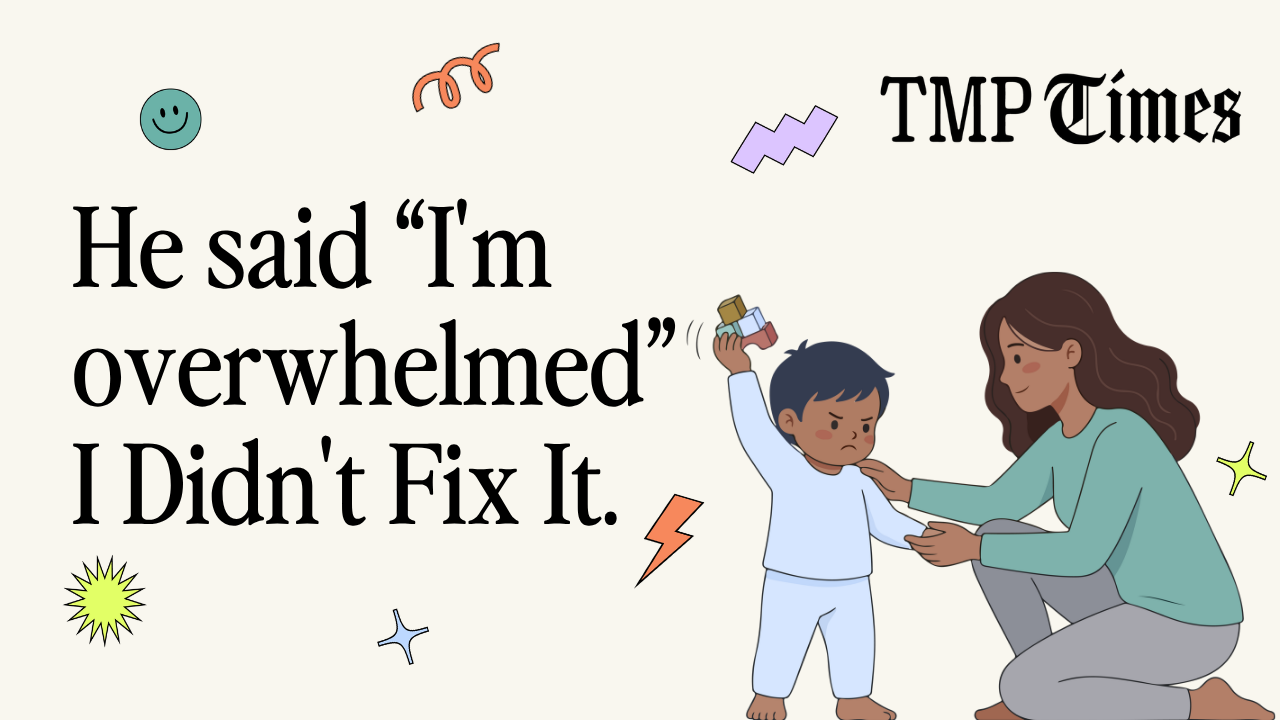
With each request, your 3-year-old looks at you, grins, and runs away laughing or flat-out says "NO!" and refuses to move.
Every single daily task becomes a 20-minute negotiation that ends with you physically carrying them to do the thing they were supposed to do 15 minutes ago.
"My 3-year-old thinks everything is a game," a dad once told me during a coaching call inside TMP University. "Putting on shoes, mealtime, cleaning up toys - when we ask him to do something, he flat out says no or starts running around the house. What can we do to get past this game phase and help him understand when he needs to complete a task?"
Here’s the thing: For children (especially toddlers and preschoolers):
We have to remember that children don’t see the world like we do. Whenever we ask them to stop playing to put on shoes, it’s like asking an adult to put down their phone to write a 6 page report. Boring!
It’s not to say that it’s impossible to get children to cooperate. It just means we have to be mindful about speaking their language and trying to see the world through their point of view.
To children, life is about play and games are the only language they speak fluently right now. So let’s talk about how to use play intentionally so that life runs smoothly and things get done (especially during this busy time of the year!).
After reading this week's issue, you'll know how to:
- Get them to brush teeth/put on shoes/get in the bath without physically carrying them there by making transitions playful instead of demanding
- Stop the bedtime routine from taking 2 hours with the task-play-task-play rhythm that satisfies their need for connection before sleep
- Actually get out the door when you say you will by building in the buffer time that keeps you both calm
- Stop feeling disrespected when they say "no" by understanding their refusal as developmental, not defiant