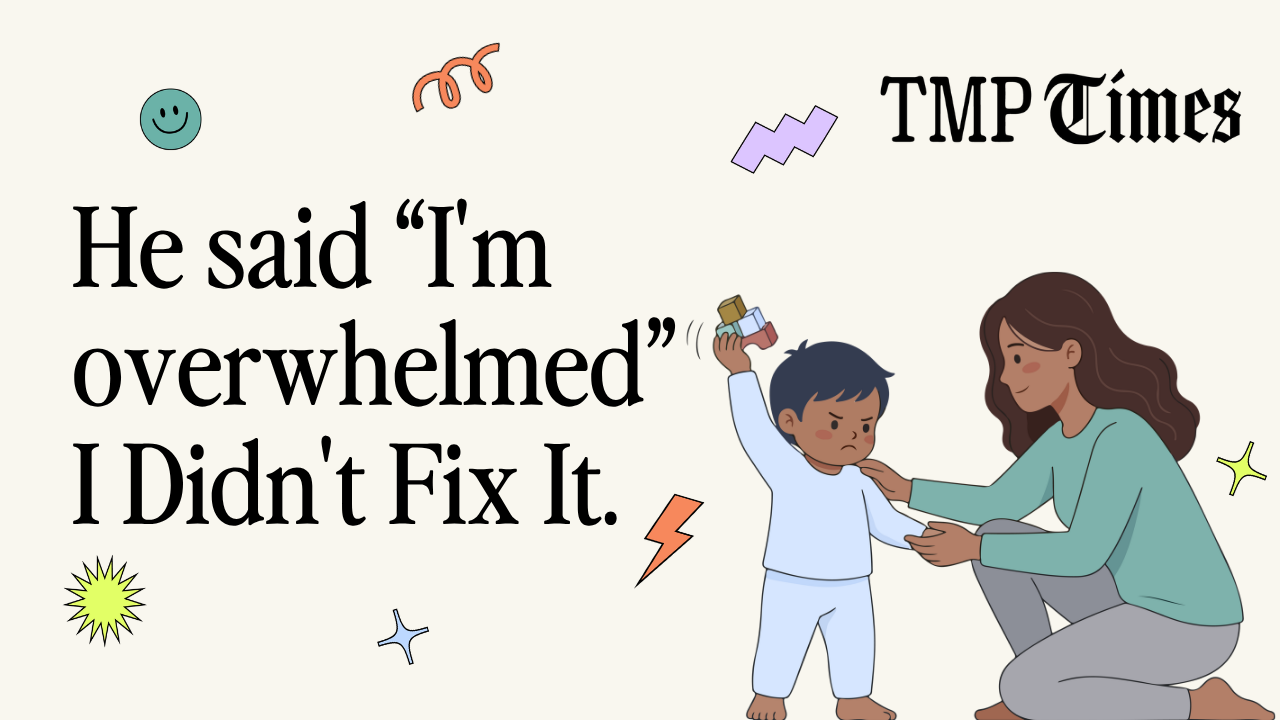
Mike was trying to get his 5-year-old daughter ready for bed when she completely lost it. She didn't want to brush her teeth, didn't want to put on pajamas, and was melting down about everything. When he gently but firmly guided her toward the bathroom, she spun around and hit him in the chest with her small fists.
Mike felt his own frustration spike, but he took a breath and calmly picked her up, carrying her to her room to help her settle down. Once they were alone, she started crying harder. Between sobs, she reached her arms up toward him, asking for a hug.
Mike felt completely torn. Part of him wanted to scoop her up and comfort her. The other part wondered if giving her a hug right after she'd hit him would teach her that hitting gets her what she wants.
"It just felt wrong," he told his wife later. "Like I'd be sending mixed signals. She can't hit me and then immediately get comfort from me. What does that teach her?"
This moment happens in thousands of homes every day. Your child hurts you, then immediately seeks comfort from you. You stand there frozen, wondering if you're about to make a parenting mistake that will shape your child's character forever.
After reading this issue, you'll understand:
- Why your instinct to comfort your child after aggression is actually the right one, not the wrong one
- How withholding love after bad behavior creates more behavioral problems, not fewer
- What your child's brain is really doing when they seek connection after hitting or hurting you
- The scripts that let you offer comfort while still addressing the behavior
- Why the "make them feel bad so they learn good" approach backfires developmentally